Results of research
Syrah N


Name of the variety in France
Syrah
Synonymy
In France, this variety can officially be called "Shiraz" or "Serine" regarding plant propagation material. Syrah is officially designated as "Shiraz" in Cyprus, Germany, Italy and Malta.
Regulatory data
En France, la Syrah is officially listed in the "Catalogue of vine varieties" on the A list and classified. This variety is also listed in the catalogues of other Member States of the European Union: Austria, Bulgaria, Croatia, Cyprus, Germany, Greece, Hungary, Italy, Malta, Portugal, Slovenia and Spain.
Cultivation and agronomic skills
This variety produces long shoots that are fragile to the wind in spring and must be carefully trellised. In most cases, short pruning is sufficient in southern zones. Syrah is sensitive to chlorosis, poorly adapted to soils with high active limestone content. Then, grafting onto 110 R must absolutely be avoided. This variety ripens quickly, resulting in a relatively short véraison-ripeness period. The optimum harvest period is short and is evaluated not only by considering sugar and acidity concentrations, but also by the weight of the berries, bunches and berry analysis, and berry tasting.
Technological potential
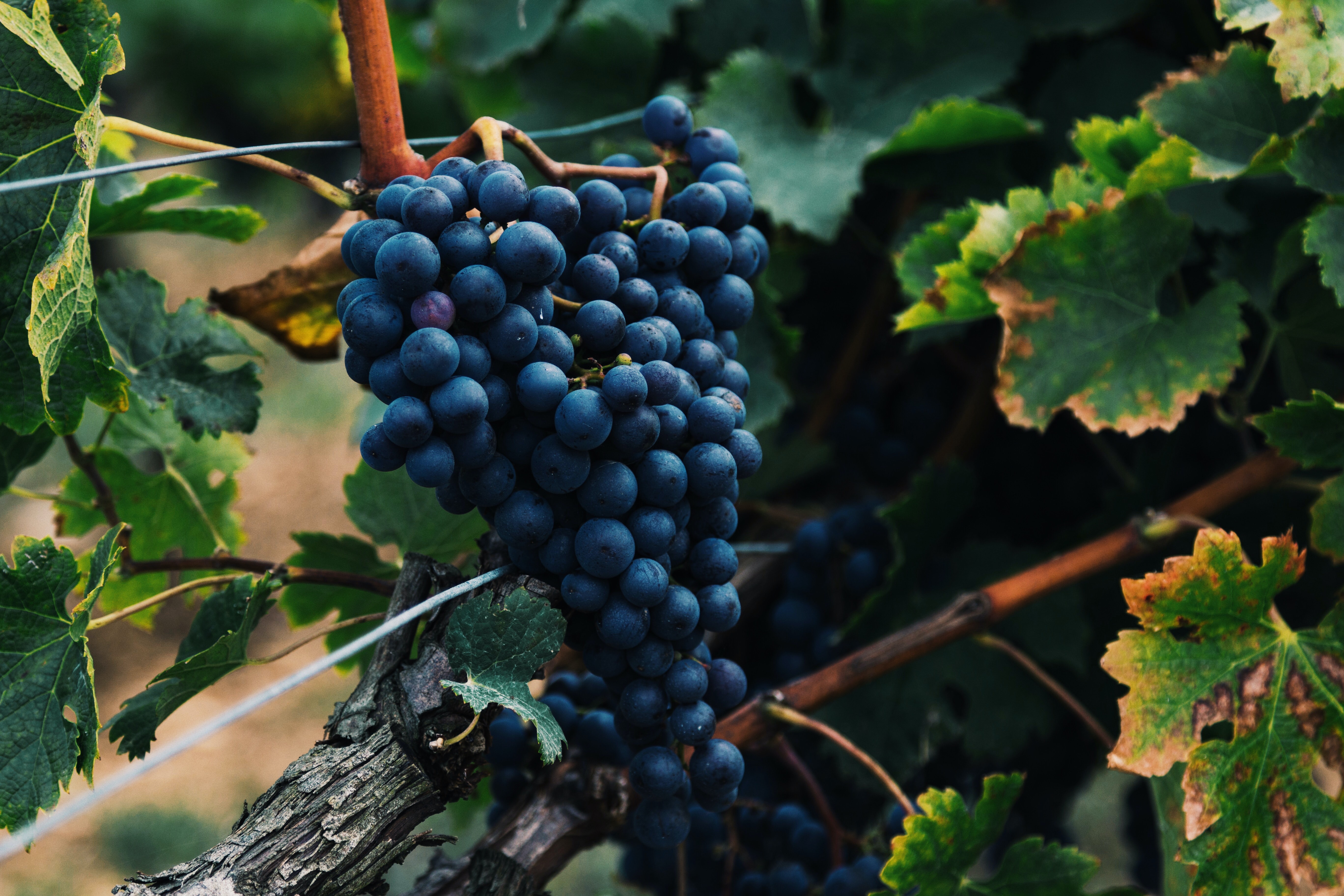
The bunches are small to medium in size and the berries are small. Syrah can produce great quality red wines with a fairly high alcohol degree, that are suited to ageing. This variety gives very aromatic, fine, tannic, robust, complex (spices, violet, olive, leather-animal, etc) wines with relatively low acidity (pH is sometimes rather high, particularly on schist soils), which tend to have an intense (blue-toned) color. Syrah also produces very fruity and interesting rosé wines.
Susceptibility to Diseases and Pests
Syrah is not very susceptible to downy mildew but is rather sensitive to mites and grey rot, especially at the end of the ripening period. This variety has a specific decline behavior, characterized by leaf reddening combined with at the grafting point, which can in the long term cause the vine trunks to die. To date, the causes remain unknown and no disease causative agent have been identified, but significant behavioral differences between clones have been noted.
Clonal selection in France
The twelve certified Syrah clones carry the numbers 470, 471, 524, 747, 1140, 1141, 1188, 1345, 1346, 1352, 1353 and 1354.
A conservatory of more than 600 clones was planted in 1995 in the French department of Drôme. An additional conservatory of 50 or so clones was planted in 2002 in the French department of Rhône.
Viognier B


Technological potential
The bunches are small and compact. The berries are also small. Under favorable conditions, the varietal characteristics of Viognier allows for the production of very aromatic (abricot, peach, etc.), complex and powerful good quality wines. Viognier gives warm wines (high sugar accumulation potential): full-bodied but lacking a bit of acidity and occasionally presenting a slight bitterness. It can also be used to produce sweet or sparkling wines or blended (5, 10 % or more) with other grapes (particularly Syrah) to add finesse and aromas to red wines.
Durif N


Origin
This variety was developed by Mr Durif, and is the result of the crossbreeding between Syrah and Peloursin.
3309 Couderc
Interaction with the graft and production objectives
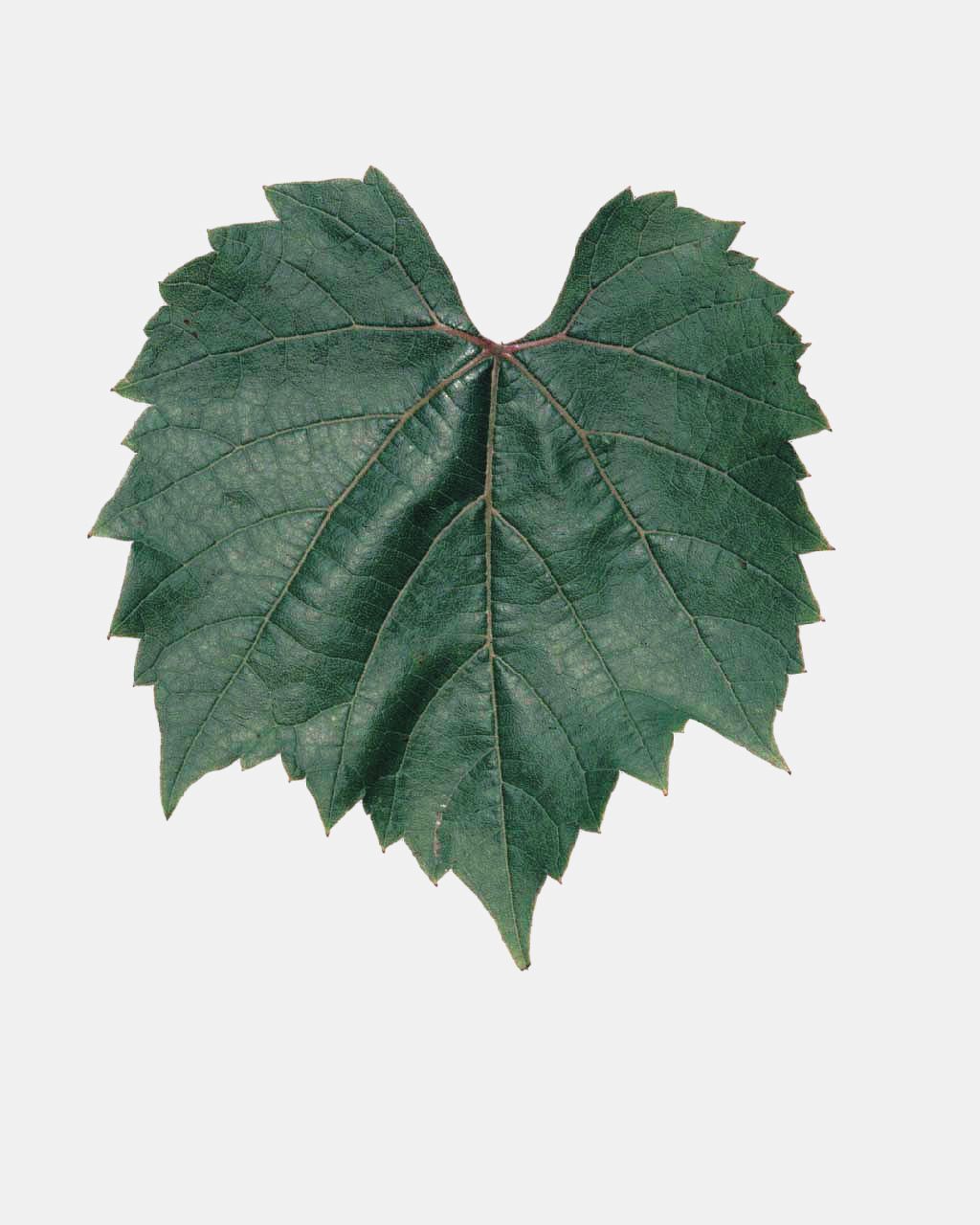
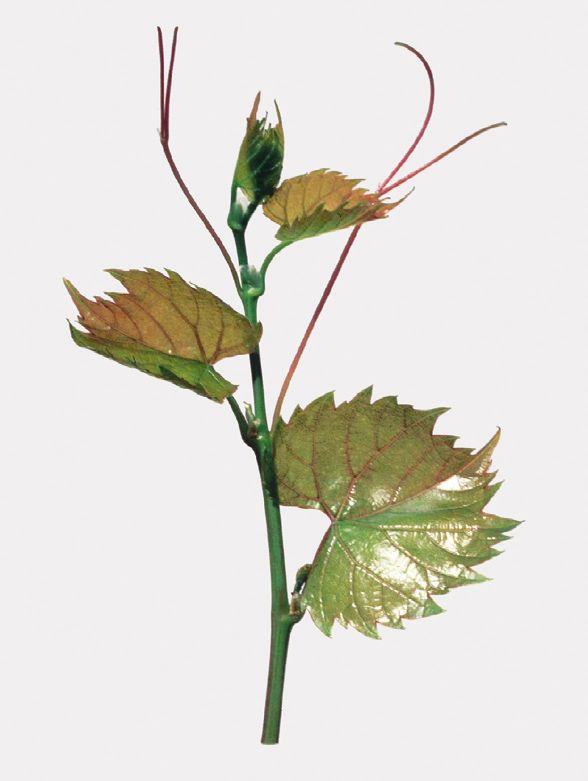
3309 C generally has a good affinity with grafts. However, some joining problems have been noticed with Cabernet-Sauvignon, Chenin, Dattier de Beyrouth, Pineau d’Aunis, Riesling, Syrah and Sauvignon. Some of these varieties are grafted in significant amount with 3309 C. The growth and fruit set speed given by 3309 C is a little slow. Vigor confered by 3309 C is low to moderate and vegetative growth is balanced, especially if the agronomic fertility of the soil is not too high. 3309 C promotes the fruit set of sensitive varieties to coulure. The varieties grafted onto this rootstock produce recognized quality products and the associations with Cabernet franc, Cabernet-Sauvignon, Chardonnay, Colombard, Fer, Gamay, Gros Manseng, Melon, Merlot, Petit Manseng, Pinot, Sauvignon, Semillon, Riesling, Syrah and Tannat are particular appreciated.
Fercal


Interaction with the graft and production objectives
Fercal shows a good affinity with graft varieties. The growth and fruit set speed given by Fercal is good. The vigor confered by rootstock is moderate to high. Its influence on the vegetative cycle is moderate. In terms of fertility and yields, Fercal is balanced and the grafts produce good quality products. It is particularly well suited to Syrah.
101-14 Millardet et de Grasset
Interaction with the graft and production objectives
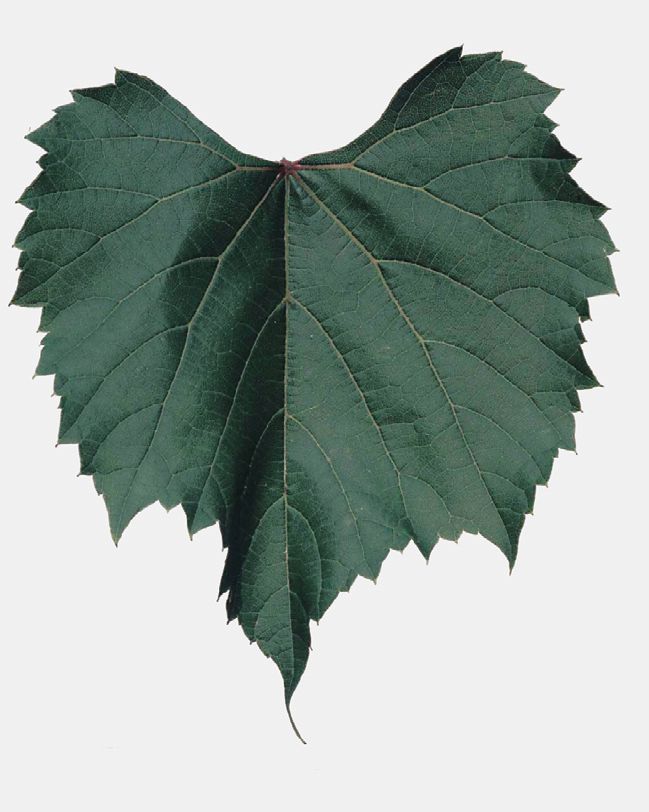
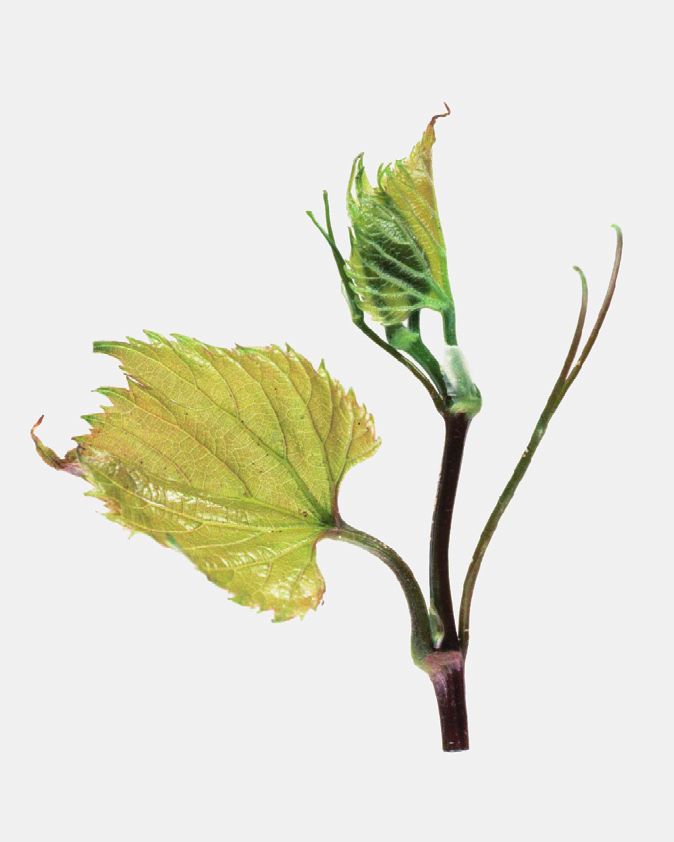
101-14 MGt usually has a very good affinity with the grafts. The first growth of plants is fast but the vigor confered is nevertheless limited. Thus, this rootstock contributes to manage the plant growth and has an influence on the earliness of the vegetative cycle. 101-14 MGt induces moderate yields with an often a lower average berry weight compared to those obtained with other rootstocks. The varieties grafted onto 101-14 MGt generate balanced, quality products with good maturity and the associations with Cabernet franc, Cabernet-Sauvignon, Chardonnay, Chenin, Colombard, Gamay, Grenache, Petit Verdot, Sauvignon, Semillon and Syrah are appreciated.
99 Richter


Interaction with the graft and production objectives
99 R has a good affinity to grafts. This rootstock confers a high vigor to the grafts. It tends to delay the growth cycle of the grafts and sometimes promotes coulure. The first plant development is rather slow. In addition, the risk of degeneration is increased with Syrah.
110 Richter


Adaptation to the environment
110 R is moderately adapted to limestone and its resistance to iron chlorosis is variable depending on the grafts used. It is can resist up to 17% of "active" limestone and to an IPC of 30. However the threshold is actually only 5 to 7% when Syrah is grafted onto 110 R (and to a lesser extent with Viognier). This rootstock is very well adapted to drought but is very sensitive to water excess. It is particularly adapted to dry, poor, stony, with no or very little limestone soils, such as schist soils or ancient terraces.
Interaction with the graft and production objectives
110 R confers a strong vigor. This rootstock tends to induce a good fertility and delay the growth cycle and the maturation. It can sometimes favor coulure, particularly with Ugni blanc. 110 R works very well with Cabernet-Sauvignon, Caladoc, Carignan, Grenache, Marselan, Mourvèdre, Muscat à petits grains blancs, Muscat d’Alexandrie, Tempranillo and Vermentino. On the other hand, given the risk of chlorosis, the association with Syrah must be avoided when the "active" limestone content goes over 5%, since the risk of declining is incresed with this association. Cases of incomptability have also been noticed with Pinot.
140 Ruggeri


Interaction with the graft and production objectives
140 Ru confers a very high vigor. This rootstock induces a strong plant development and tends to delay the growth cycle. Associations with very vigorous varieties, such as Grenache, Sauvignon, Sultanine, Ugni blanc and especially Mourvèdre, should be kept for exceptional situations. Associations with these varieties and with others like Caladoc, Carignan, Marselan, Négrette, Tempranillo and Syrah, may cause issues due to the development of large calluses and bulging at the graft union or bad joining at the graft point. The plants concerned redden during the autumn for black varieties and turn yellow for white varieties, due to poor vascularization between the rootstock and the scion. They sometimes need to be replaced in young plantations.