Results of research
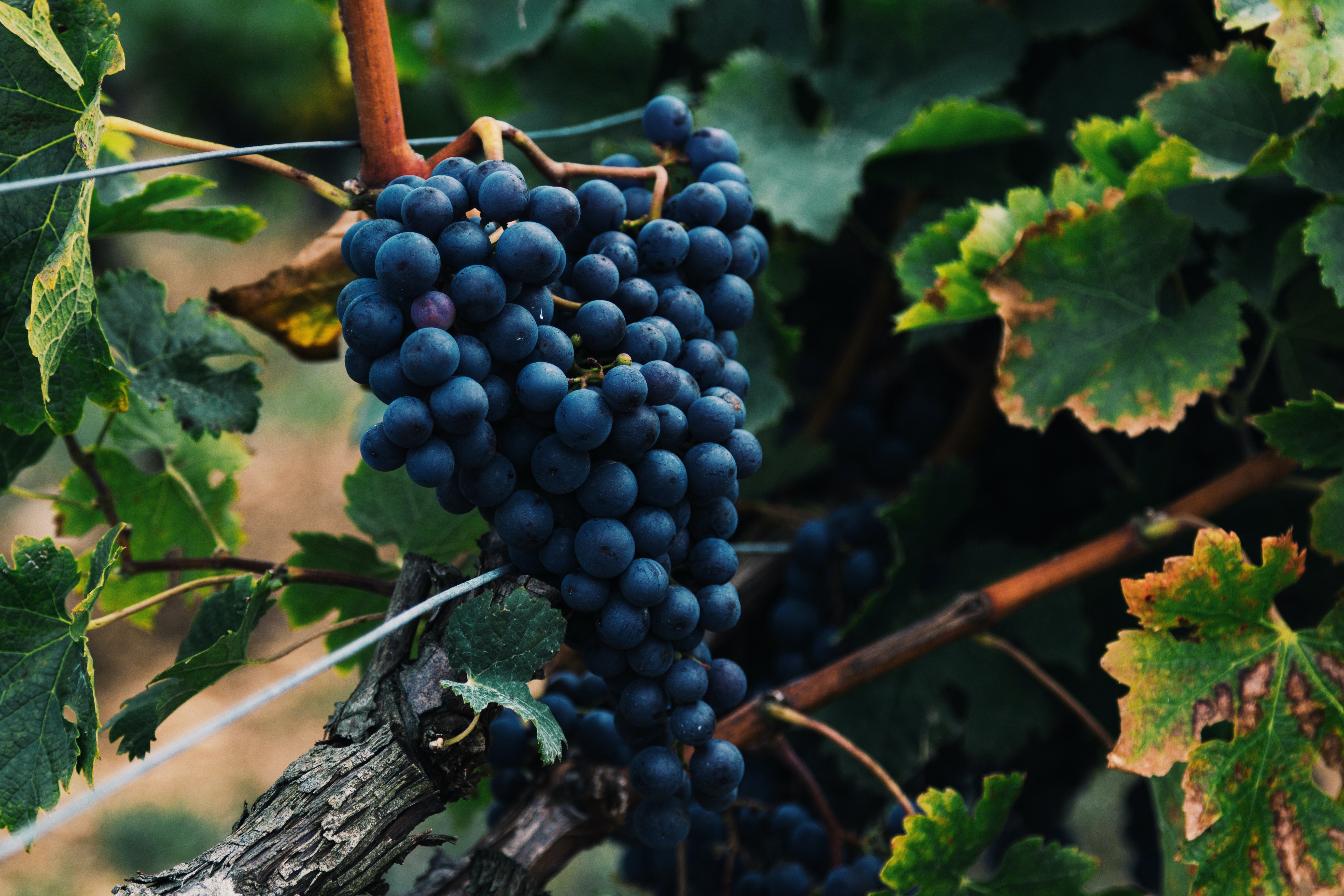
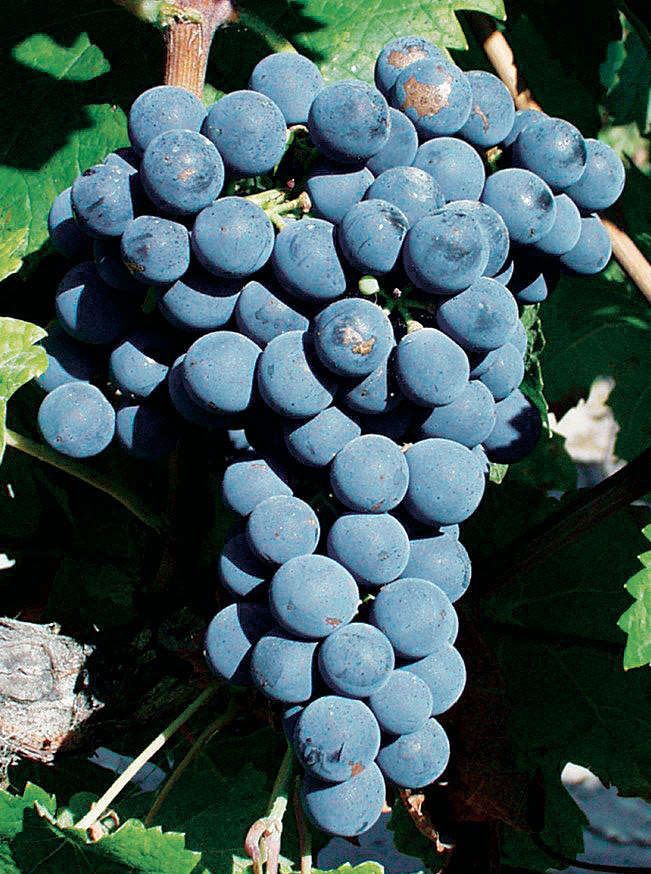
Cabernet franc N
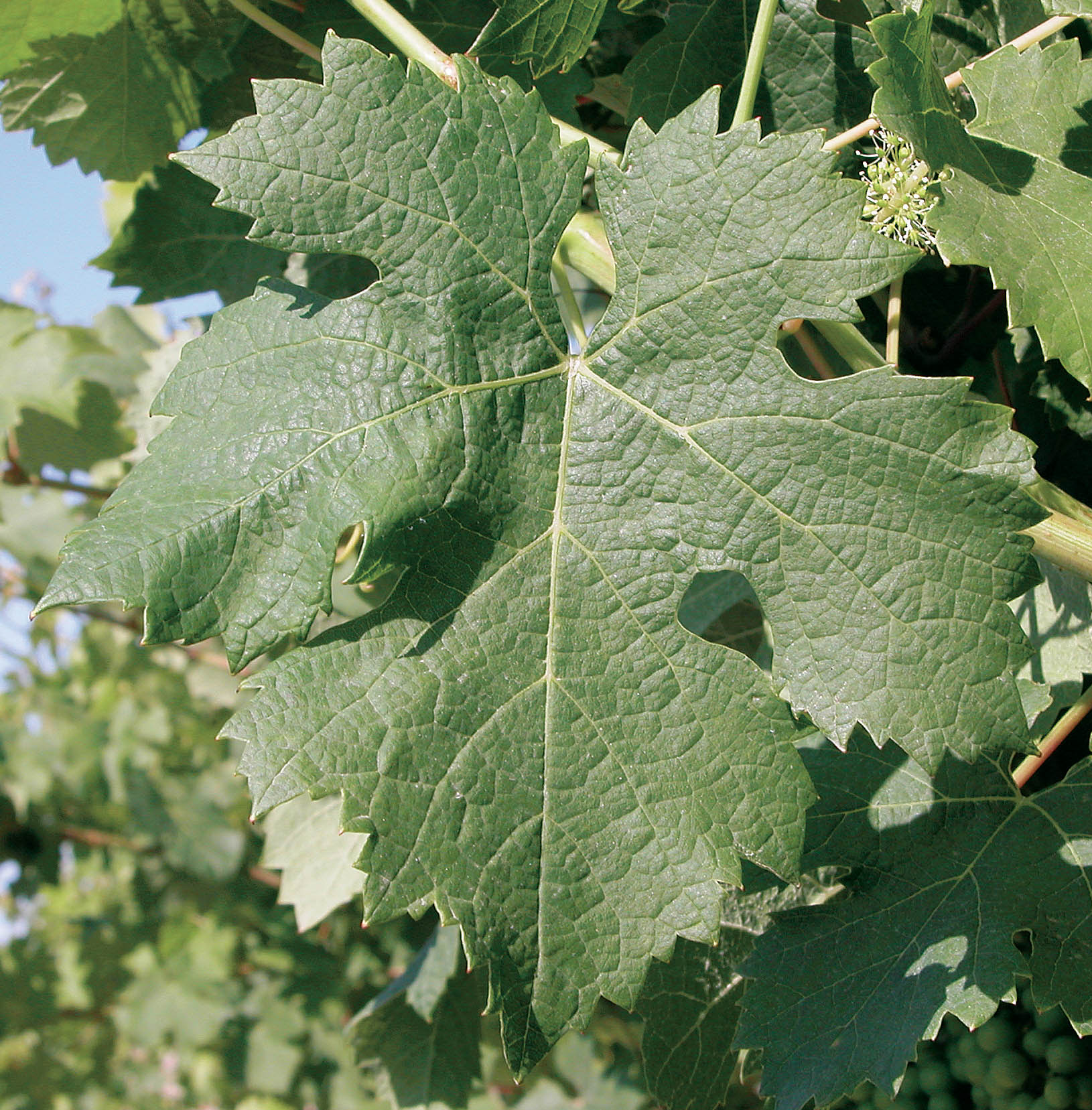
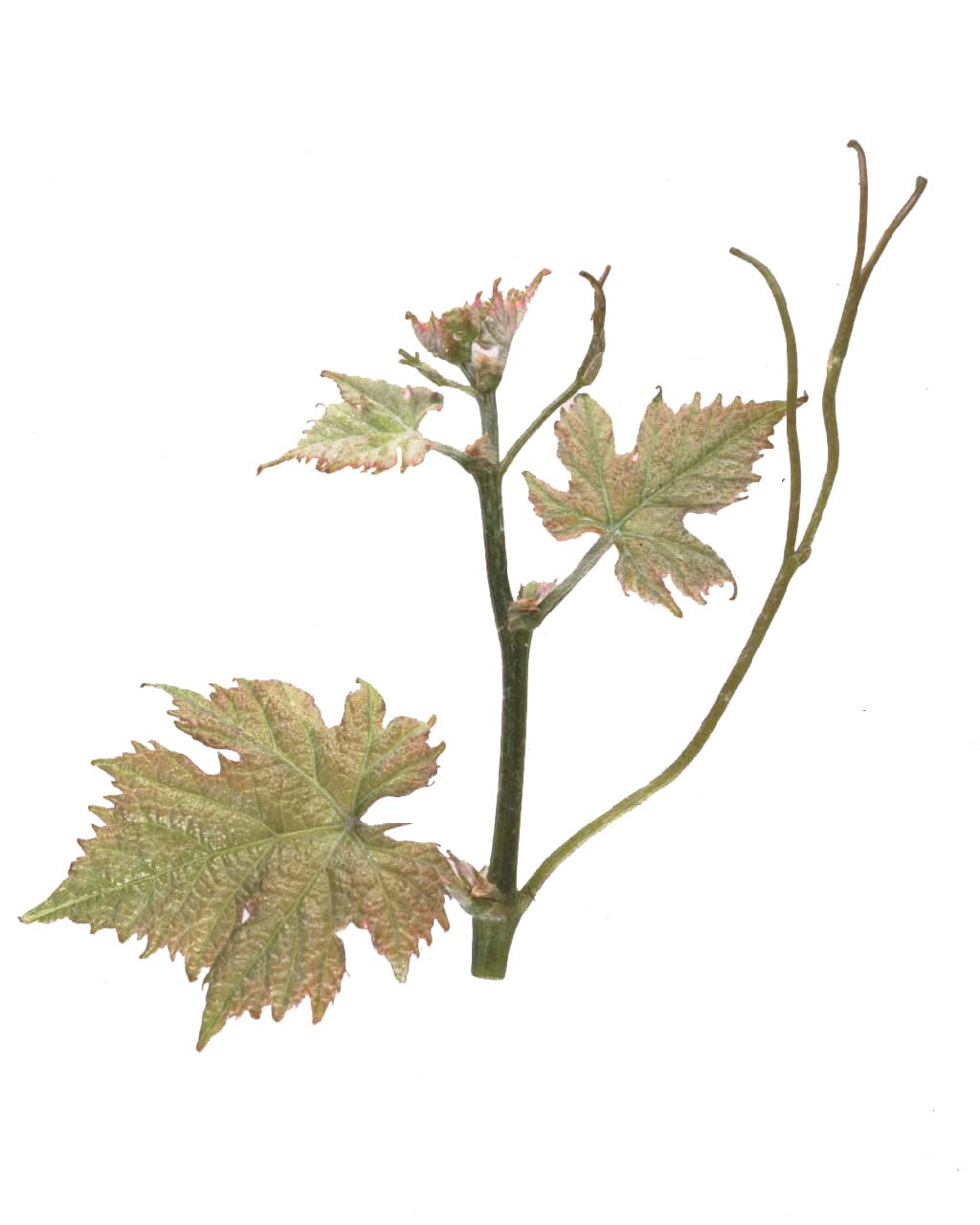
Name of the variety in France
Cabernet franc
Origin
Cabernet franc is probably originally from the south west of France.
Regulatory data
In France, Cabernet franc is officially listed in the "Catalogue of vine varieties" on the A list and classified. This variety is also listed in the catalogues of other Member States of the European Union: Austria, Bulgaria, Cyprus, Czech Republic, Germany, Greece, Hungary, Italy, Malta, Netherlands, Portugal, Slovenia and Spain.
Susceptibility to Diseases and Pests
Cabernet franc is moderately resistant to grey rot and is moderately sensitive to eutypa dieback and esca. It is susceptible to vine leafhoppers.
Clonal selection in France
The thirty-one certified Cabernet franc clones carry the numbers 210, 211, 212, 213, 214, 215, 326, 327, 332, 393, 394, 395, 396, 407, 408, 409, 542, 543, 544, 545, 622, 623, 678, 1155, 1156, 1158, 1166, 1167, 1203, 1204 and 1311. A conservatory of 100 clones was planted in 2001, in the wine-growing region of Anjou. Another conservatory of more than 100 clones was planted in the Bordeaux wine-growing region in 2003 and 2004 ; it is based on surveys conducted in Gironde and in the Pyrénées foothills.
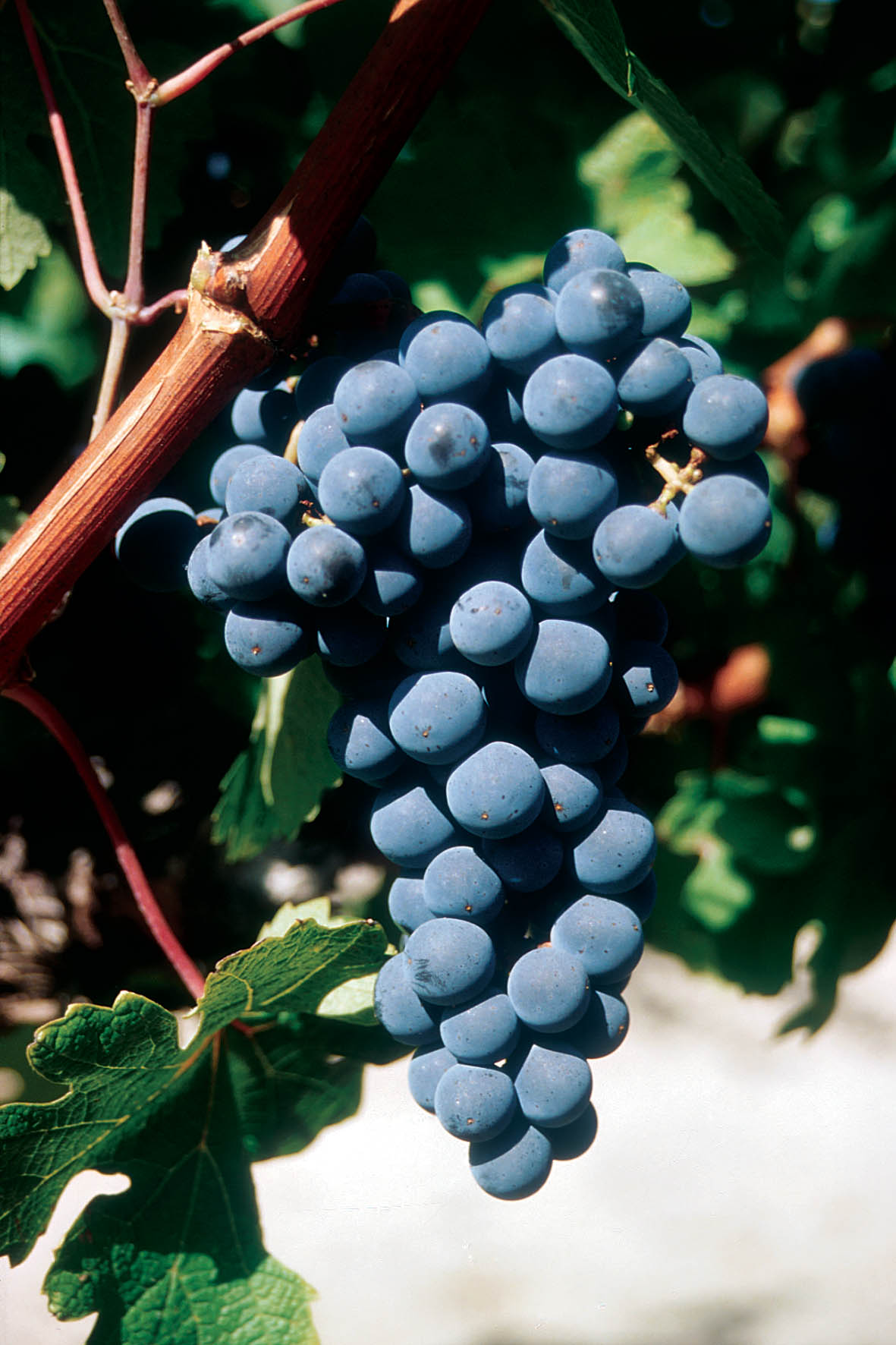
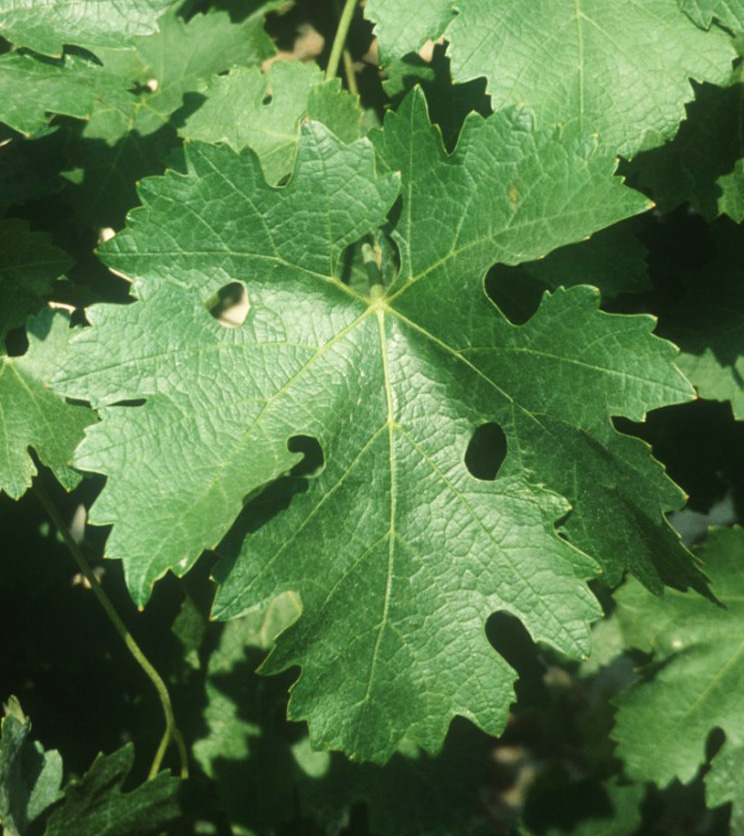
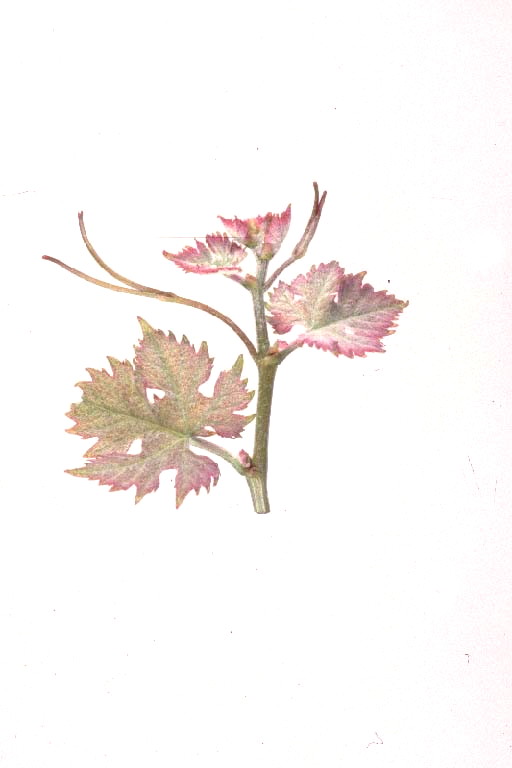
Cabernet-Sauvignon N
Origin
This variety is originally from the Bordeaux region. Based on published genetic studies, this variety would result from the crossbreeding between Cabernet franc and Sauvignon.
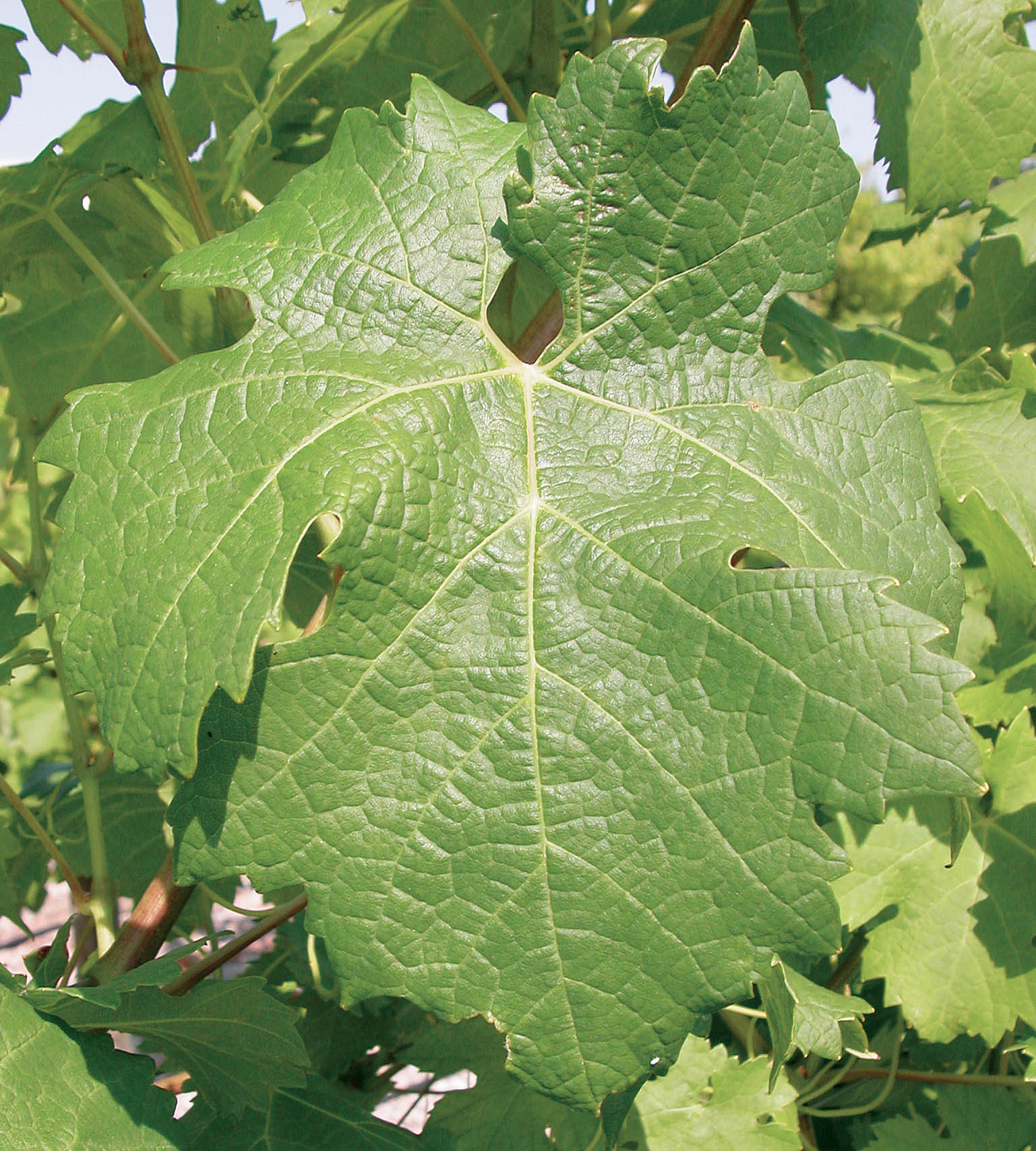
Carmenère N

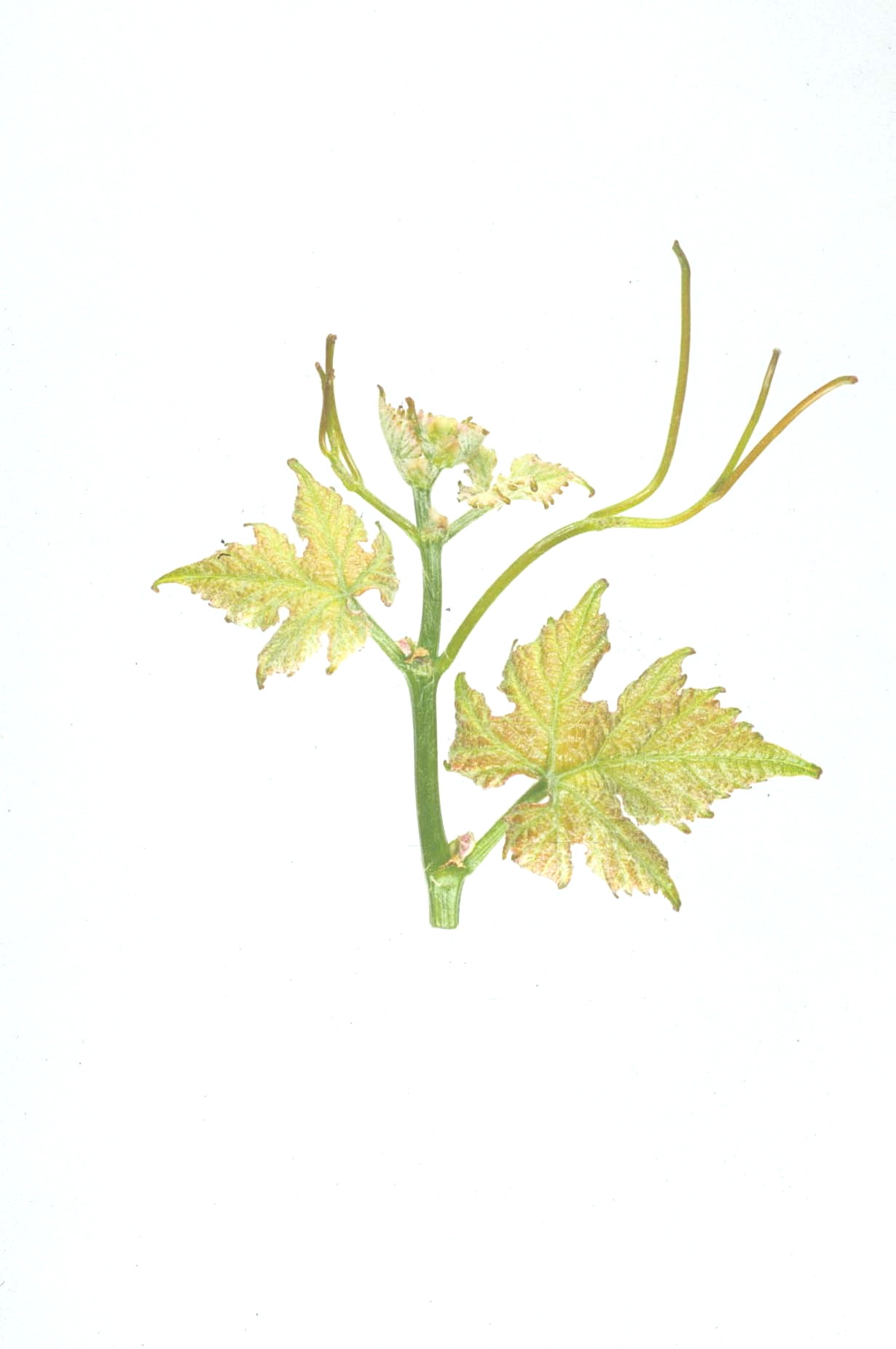
Origin
This variety is originally from the Bordeaux vineyards. Based on genetic analyses carried out in Montpellier, it would be a descendant of Cabernet franc.
Merlot N
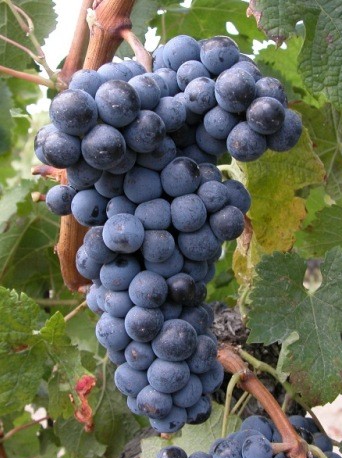
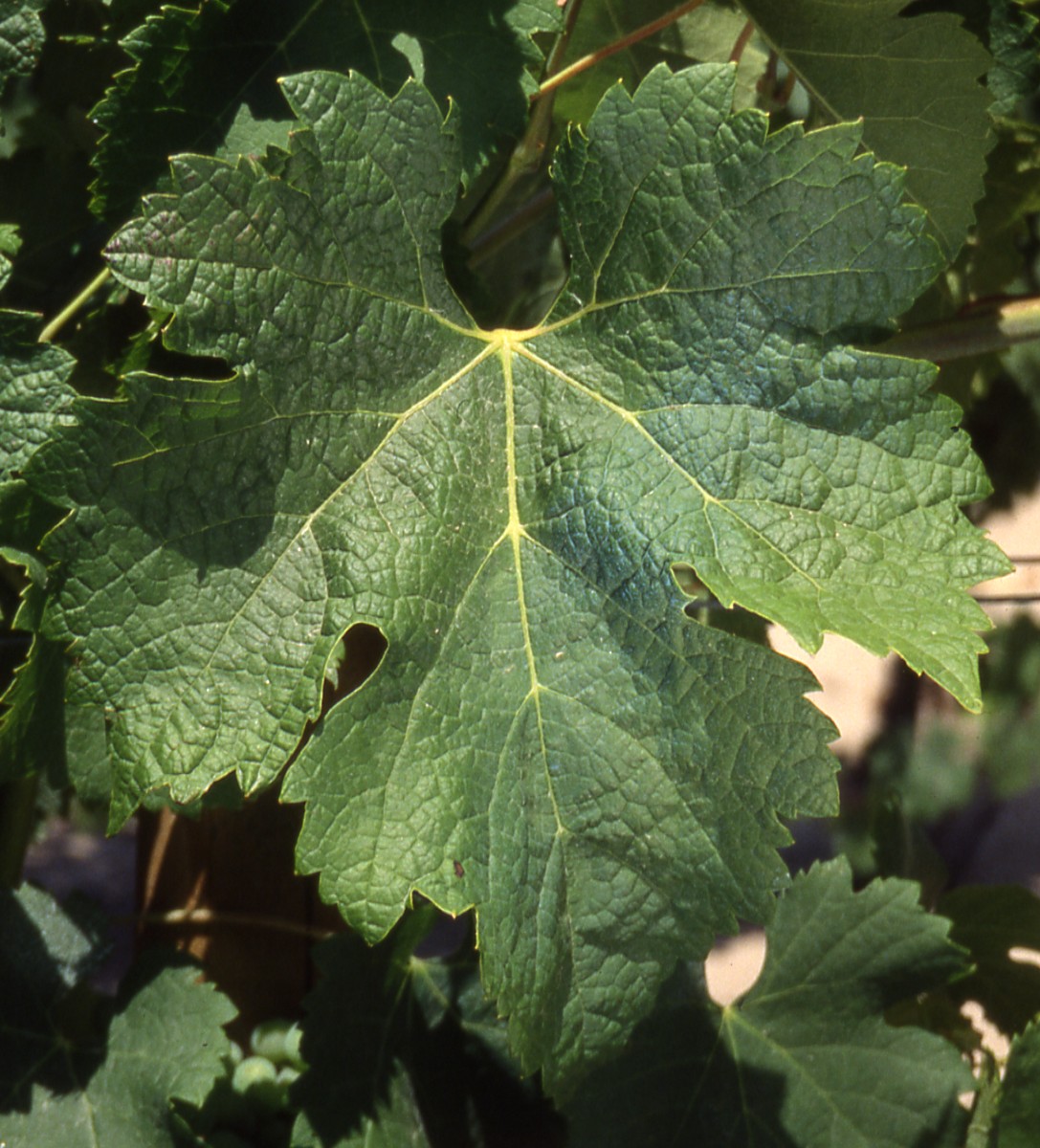
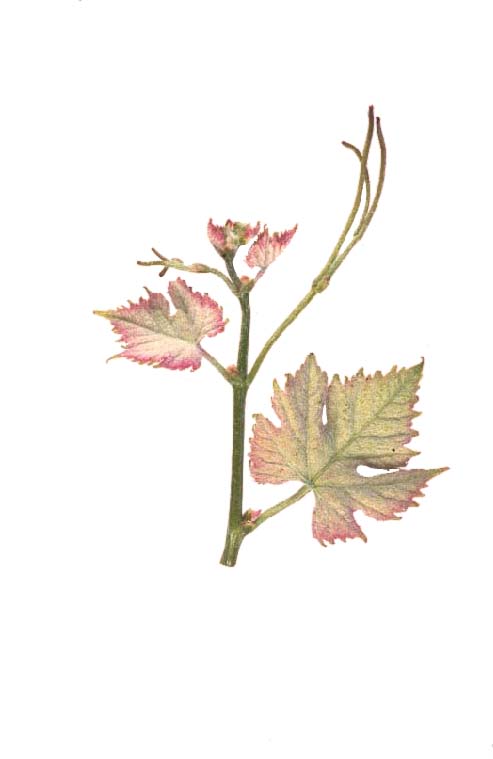
Origin
This variety is originally from the Bordeaux vineyards. Based on genetic analyses, Merlot would be the result of crossbreeding Cabernet franc and Magdeleine noire.
3309 Couderc

Interaction with the graft and production objectives
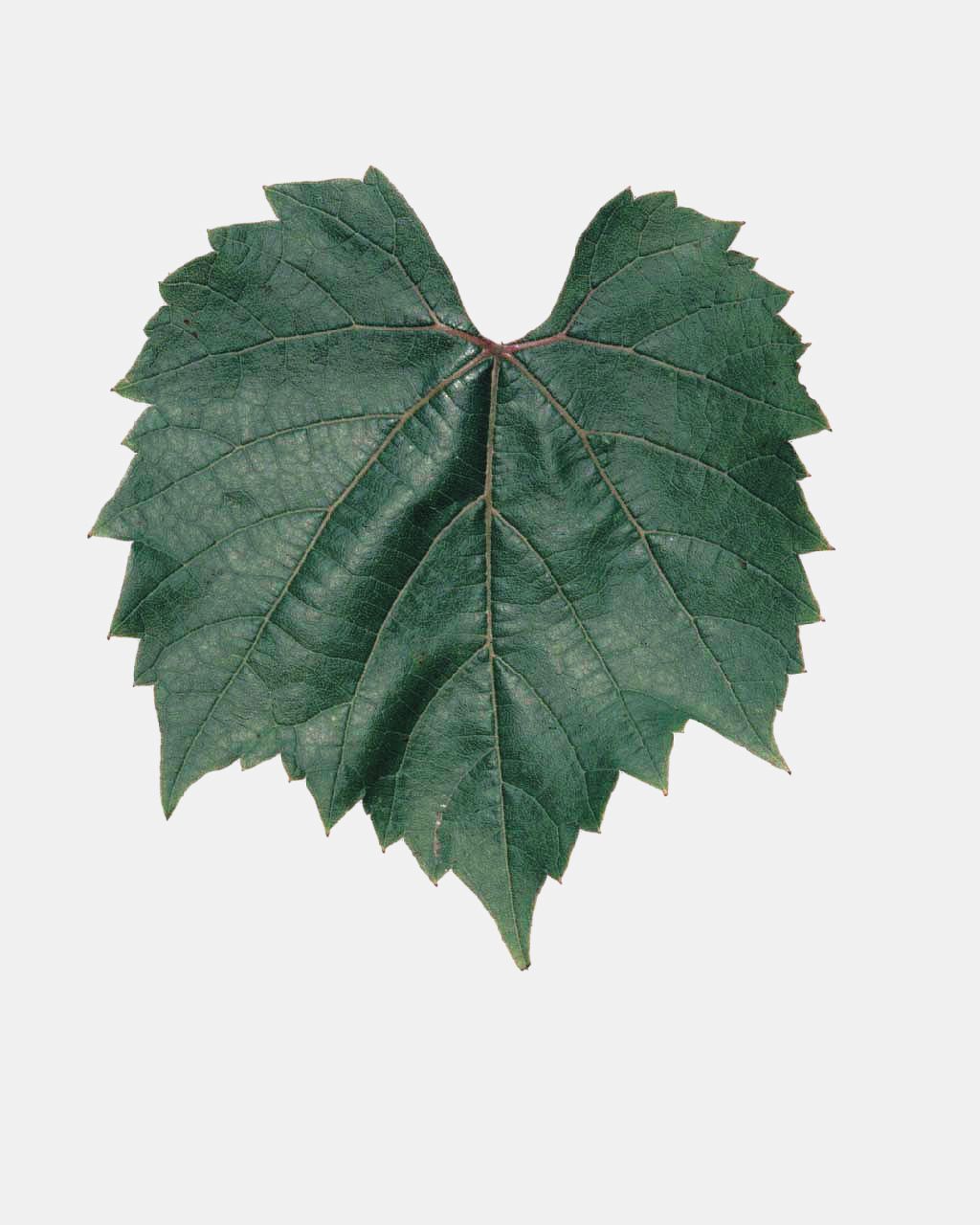
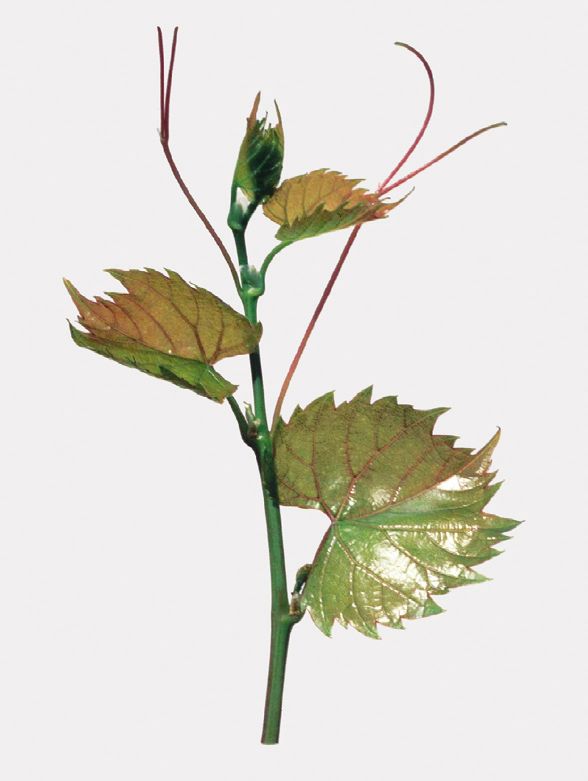
3309 C generally has a good affinity with grafts. However, some joining problems have been noticed with Cabernet-Sauvignon, Chenin, Dattier de Beyrouth, Pineau d’Aunis, Riesling, Syrah and Sauvignon. Some of these varieties are grafted in significant amount with 3309 C. The growth and fruit set speed given by 3309 C is a little slow. Vigor confered by 3309 C is low to moderate and vegetative growth is balanced, especially if the agronomic fertility of the soil is not too high. 3309 C promotes the fruit set of sensitive varieties to coulure. The varieties grafted onto this rootstock produce recognized quality products and the associations with Cabernet franc, Cabernet-Sauvignon, Chardonnay, Colombard, Fer, Gamay, Gros Manseng, Melon, Merlot, Petit Manseng, Pinot, Sauvignon, Semillon, Riesling, Syrah and Tannat are particular appreciated.
101-14 Millardet et de Grasset
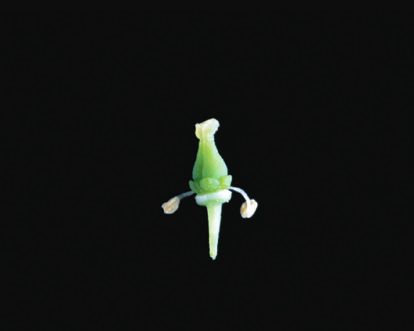
Interaction with the graft and production objectives
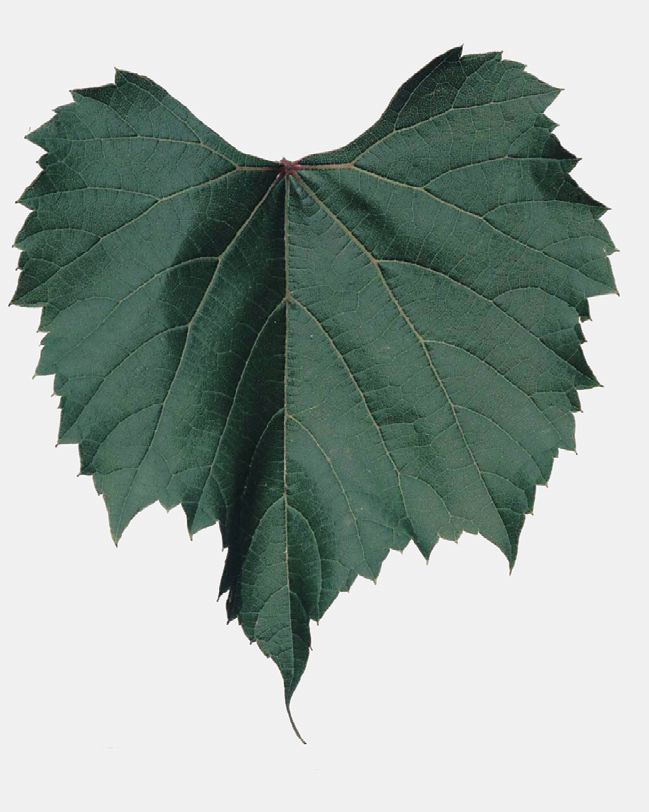
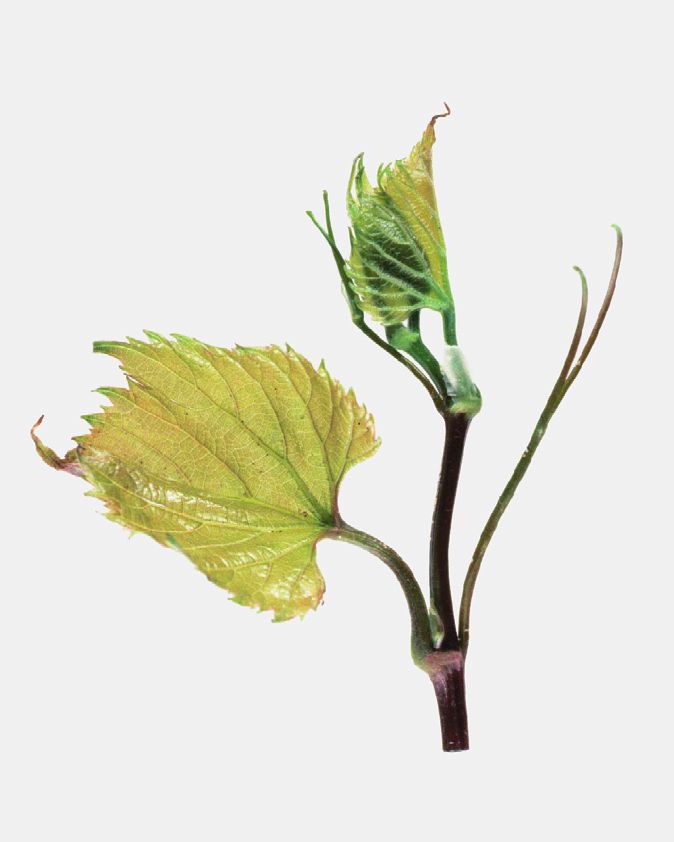
101-14 MGt usually has a very good affinity with the grafts. The first growth of plants is fast but the vigor confered is nevertheless limited. Thus, this rootstock contributes to manage the plant growth and has an influence on the earliness of the vegetative cycle. 101-14 MGt induces moderate yields with an often a lower average berry weight compared to those obtained with other rootstocks. The varieties grafted onto 101-14 MGt generate balanced, quality products with good maturity and the associations with Cabernet franc, Cabernet-Sauvignon, Chardonnay, Chenin, Colombard, Gamay, Grenache, Petit Verdot, Sauvignon, Semillon and Syrah are appreciated.
420 A Millardet et de Grasset
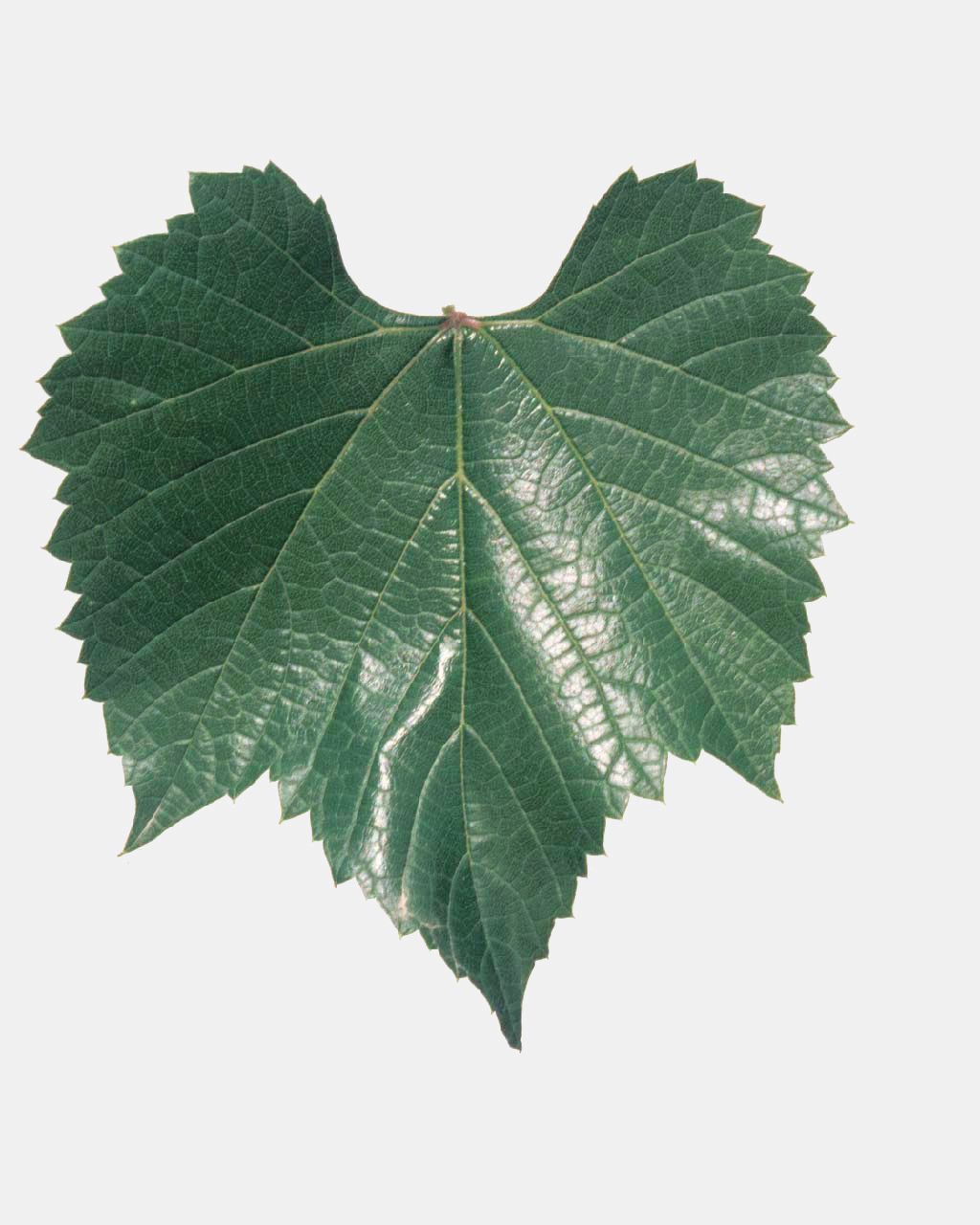
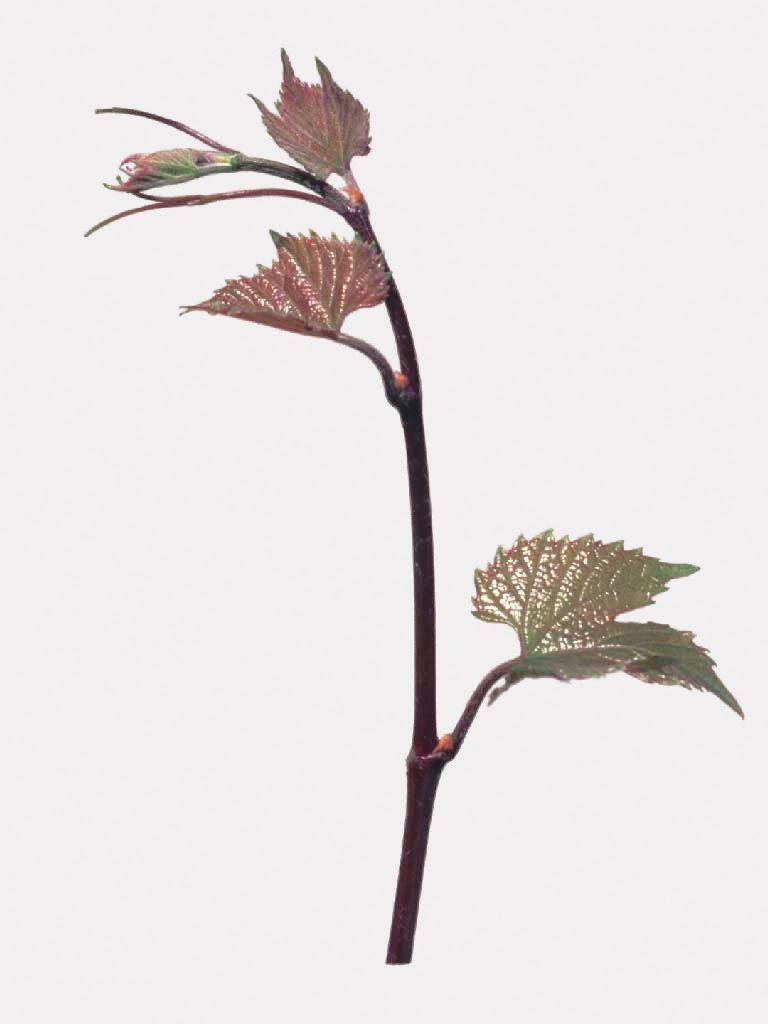
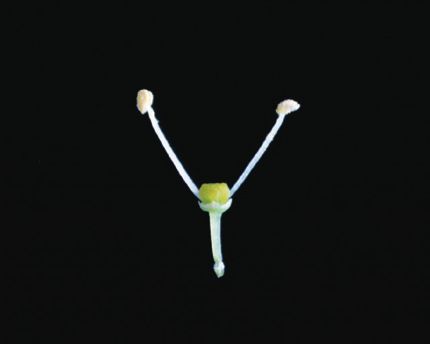
Interaction with the graft and production objectives
420 A MGt confers a low vigor to the grafts and the vegetative development of the vines is limited. It does however tend to delay maturity. 420 A MGt promotes floral initiation. Given the low confered vigor, yields must be limited, particularly during the first years of production, to avoid unbalanced vines. 420 A MGt works well with Cabernet franc, Merlot and Tannat.
Kober 5 BB
Interaction with the graft and production objectives
Generally speaking, 5 BB confers a very high vigor to the grafts and tends to delay the maturity. It is sometimes incompatible with some varieties (for example: Cabernet franc, Cabernet-Sauvignon, Colombard, Sauvignon) particularly when they carry the grapevine leafroll-associated virus 2 (GLRaV-2). In the event of a grapevine fanleaf virus infection, 5 BB clearly shows the presence of endocellular cords in the wood vessels. In terms of production, this rootstock, which is sometimes used to replace missing plants, tends to favor alternating phenonema and irregular results depending on the year. 5 BB sometimes induces the production of fruits with low sugar and polyphenol contents.